Pure Sport Images: Creating Memorable Athlete Portraits
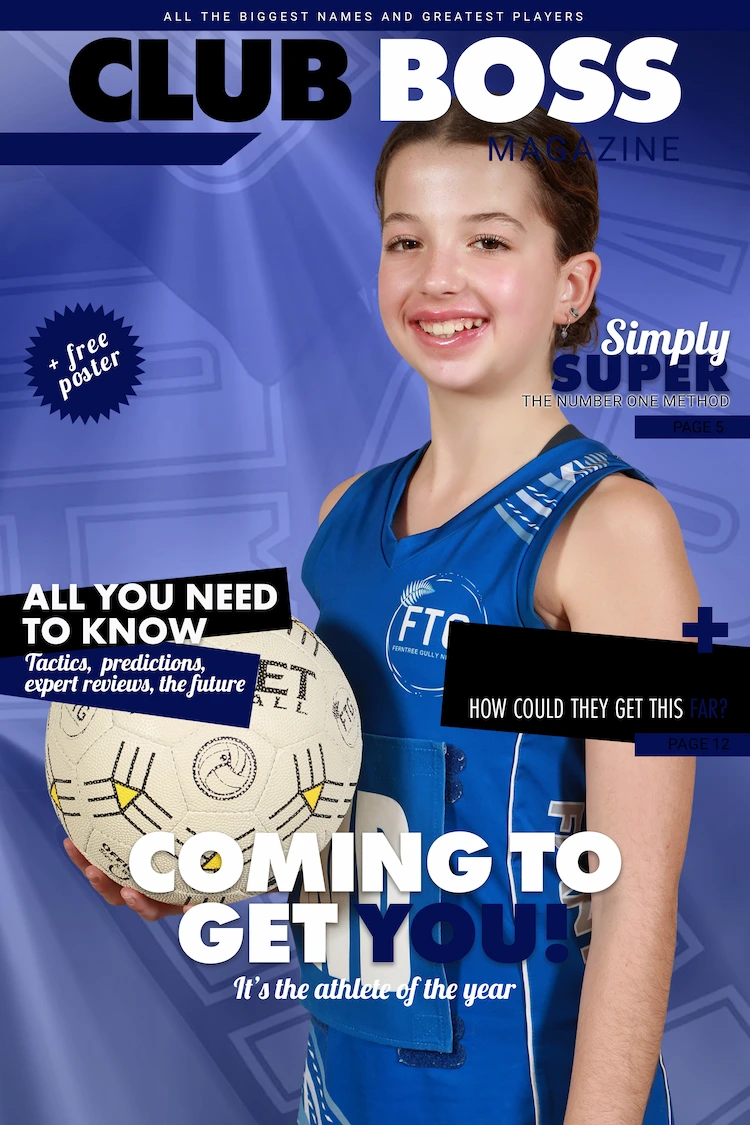
Athlete portraits are more than flattering headshots. They capture habit, habit translated into motion, and the story the athlete wants the world to read. For a sports photographer in Melbourne, the brief is simple in theory and complex in practice: show the athlete at their most authentic, make the image speak in a single glance, and deliver files that work equally well on a sponsorship banner and an athlete’s personal profile. Pure Sport Images is https://www.flokii.com/-puresportimages#info built on that promise, and the methods below reflect years of working with state-level players, suburban clubs, and solo competitors.
Why this matters A strong portrait can change a season. Sponsors use them in proposals, clubs pin them to match-day materials, and athletes paste them into career portfolios. A single image that communicates focus, athleticism, and personality can convert interest into opportunity. The technical choices matter, but so do the softer skills: rapport, an eye for story, and the judgment to push or pull the shoot when necessary.
Read the room: what the brief actually asks for Before any shutter clicks, clarify three things with the athlete or client: the primary use of the images, the mood they want, and any brand requirements such as logo placement or color palettes. A national sponsor will need high-resolution verticals and horizontal crops with negative space for copy. A club will want images that emphasize team colors and consistency across players. For social media, raw emotion and a looser feel often outperform highly staged photos. Ask these questions early and you save time later.
Lighting and atmosphere: choices that create character Lighting defines personality. Hard light with strong shadows emphasizes grit and raw power. Soft light with shallow contrast suggests refinement and calm confidence. Outdoor light in Melbourne offers unique opportunities: golden hour along the Yarra brings warmth and flattering skin tones, while overcast days provide even, flattering light that keeps focus on facial expression and texture.
When I shoot indoors, I prefer a simple two-light setup: a key with a reflector or softbox at about 45 degrees to the subject, and a rim light to separate the athlete from the background. That rim light is especially important when the athlete wears black or navy kit. It prevents the subject from collapsing into the backdrop and adds shape. For action portraits where you want frozen motion, add a high-speed strobe and shorten sync times, or use continuous LED panels with high output. The trade-off is texture versus speed: strobes give cleaner freeze but require more setup; LEDs let you move faster but can introduce motion blur unless output is strong.
Gear and technical settings that I rely on Equipment will not make a photograph by itself, but the right tools make the job easier. In my kit I keep two camera bodies for redundancy, a fast 70-200mm for compressed backgrounds and flattering focal lengths, a 24-70mm for versatility, and a 85mm prime when I need creamy bokeh and tight headshots. A 35mm is great for environmental portraits that include more of the athlete’s context, like a locker room or training track.
For settings, start with aperture at f/2.8 to f/4 for head-to-chest portraits to keep eyes sharp and background soft. Use a shutter speed of at least 1/500 second for any tension-filled pose or movement to avoid micro-blur. Increase ISO as needed but keep it below the camera’s comfortable threshold for clean skin tones; on modern full-frame bodies that is often ISO 3200 or higher, but test for noise and skin rendition beforehand. Shoot in RAW. Capture multiple exposures for tricky lighting so you can blend in post if needed.
Composing for power and presence Composition should support the narrative. For a confident, confrontational portrait place the athlete squarely in frame with direct eye contact and a slightly low camera angle. For reflective, inward portraits use a three-quarter profile, softer focus, and include negative space on the side the subject is looking toward. Backgrounds rarely need to be complex. A stadium stand, an industrial training space, or blurred turf will all work so long as they don’t compete with the subject.
When tissues of uniform, sponsors, or tattoos are essential to the story, crop tighter. When context matters, step back so equipment and environment read as part of the athlete’s life. I often shoot a set of images that range from tight and punchy to environmental and cinematic, giving clients options for different platforms.
Posing and the human element Athletes know their bodies. Rather than dictating rigid poses, I work with prompts that generate honest gestures. Ask the athlete to imagine a recent win, a missed opportunity, or a rival pitch. Small prompts—tighten your hands as if gripping a bat, breathe out and roll your shoulders forward—translate into believable posture. Watch for micro expressions. A clenched jaw or a softened mouth will change the entire story.
Respect boundaries. Some athletes dislike direct eye contact, others will not remove gear. Creative work-arounds—shooting through a helmet visor, a shallow depth of field that makes the subject almost anonymous, or using shadow to hint rather than show—deliver powerful images without forcing discomfort.
Location choices around Melbourne that work Melbourne offers a palette of locations. The MCG on a quiet morning offers cavernous scale and storied background, while the Yarra’s riverside paths give warm light with texture. Inner-north industrial laneways suit gritty sports like boxing or MMA. Suburban ovals and local clubrooms provide authenticity for grassroots storytelling.
Location selection must balance convenience and permission. Some venues require permits and insurance, which can add time and cost. If you need controlled lighting but want a local feel, bring portable backdrops or use the concrete walls of an alley. For outdoor sessions, have a wet-weather plan. Overcast light is often preferable to harsh sun, but a rainy day without backup shelter can kill a shoot.
A practical checklist for shoot day
- camera bodies with backup batteries and a battery charger
- at least three lenses to cover tight portraits, mid-range, and environmental shots
- portable light modifiers: a 60cm softbox and a reflector
- a sturdy tripod and a monopod for stability in low light
- printed or digital release forms plus contract details
Building rapport and directing non-model athletes Most athletes are not trained models, and that is an advantage. Their authenticity beats polished posing. Spend the first five minutes off-camera: ask about their season, a recent game, or how their pre-game routine works. That breaks tension and produces authentic expression. During the shoot, show images on the camera back. Immediate feedback lets the athlete see the result and adjust subtly toward what they like.
When an athlete is reserved, use conversation to change rhythm. Play a track they like to shift energy. Ask them to mimic an action they do during competition. For high-profile athletes with tight schedules, keep it focused: present three clear shots you want to achieve and move through them efficiently.
Editing and tone consistency Editing is where mood solidifies. Choose color grading to match the intended use. High-contrast, desaturated tones work for gritty sponsorship campaigns. Warm, vibrant color suits lifestyle branding or club materials. Keep skin tones natural. Over-smoothing removes the texture that conveys effort and discipline, so use dodge and burn sparingly to enhance facial structure without erasing identity.
Deliver a consistent set of crops and color versions. A sponsor will request a clean color file and a version with their brand color applied to background space. Include both vertical and horizontal crops, and provide at least one flattened TIFF for print when requested. Label files clearly and deliver via a secure link with download tracking when needed.
Pricing, licensing, and practical negotiations Pricing portraits requires honesty about usage. A one-off headshot for social media is different from a commercial license for national advertising. I separate session fees from licensing fees. The session fee covers time, travel, and file prep. Licensing is negotiated based on the length, territory, and media of use.
A practical framework: charge a modest session fee that covers logistical overhead, then quote licensing as a multiple of the session fee based on exposure. For local club use include a friendly bundle rate. For commercial clients, present clear terms: duration, exclusivity, and permitted media. Always get usage agreements in writing. It avoids awkward conversations later when a logo appears in a national campaign.
How Pure Sport Images treats brand consistency Brand is as important as pixels. For club shoots I create a style guide with exact color swatches, consistent cropping, and preferred tones that become a visual shorthand across seasons. That consistency helps clubs present a unified roster and helps sponsors identify athletes easily. Pure Sport Images offers package tiers designed to produce consistent imagery across 20 to 40 athletes, with a single color profile applied in batch editing so that every portrait reads like part of the same family.
A few real trade-offs I make regularly Speed versus perfection. For a team roster I prioritize consistency and delivery time; lighting may be simpler but predictable. For high-value commercial work I slow down, refine the lighting, and produce hero images that justify higher licensing fees.
Controlled studio look versus environmental authenticity. Studio portraits give absolute control and often better retouching outcomes. Environmental portraits communicate the athlete’s context but introduce variables like changing light, background clutter, and logistical permission. I choose studio when the campaign requires anchor hero shots, and environment when the story hinges on place.
Single-image impact: an anecdote A few years back I shot a young track cyclist who had just won her first state title. We had 20 minutes on a suburban velodrome at golden hour, a simple reflector, and a 70-200mm. I asked her to think of the first race she lost. That memory tightened her gaze in a way no pose did, and the resulting image—tight crop, warm light, rim catching the edge of her helmet—became her primary sponsor’s social hero. The sponsor later told me they received 30 percent more engagement on that post compared with previous campaigns. It was not the gear that won the response. It was timing, emotional authenticity, and a single technical choice to separate the subject from the track.
Delivering files and aftercare Deliver final files with clear naming conventions and include a quick usage guide for the client that explains which files are suitable for print, web, and social. Offer light retouching included in the package and provide an a la carte retouch for more extensive work. Store raw files for at least a year and make archival retrieval easy for clients who will want versions later.
Package examples that clients understand
- basic: a 30-minute portrait session, three edited images, social and web crops
- standard: a one-hour session, ten edited images, vertical and horizontal versions, light retouching
- commercial: full half-day shoot, 25 edited images, extended licensing for campaign use, advanced retouching and color grading
Working with sponsors and clubs in Melbourne Sponsors want return on investment, so present metrics alongside visuals. Offer mockups showing how the portrait sits on a banner, in an Instagram carousel, and on a website hero. Clubs appreciate a streamlined booking process and predictable turnaround times. Set expectations: if you state a 48-hour turnaround for social images, meet it every time. Reliability builds trust faster than a portfolio of glossy images.
Edge cases and problem solving Sometimes athletes arrive injured, or a location becomes unavailable last minute. Keep a contingency plan: an indoor studio or a neutral backdrop you can erect cheaply, and lighting that can be powered from a car if venue power is unreliable. If a subject is camera-shy, schedule a short pre-shoot Zoom to introduce yourself and walk them through what to expect. For mixed-age teams, consider shorter station-based shoots so players do not fatigue or lose concentration.
Marketing your athlete portraits without overselling Building a photography brand is about repeat business. Offer seasonal packages timed around pre-season and sponsorship windows. Encourage athletes to tag you when they post, and create a shareable gallery link designed for social sharing. Ask for testimonial quotes and short video clips of the shooting process for use on your site. Those small investments in distribution often yield the most client referrals.
Final thoughts on visual honesty and impact The strongest athlete portraits feel true. They honor the sport, respect the athlete, and make no promises the image cannot keep. Technical skill is necessary, but empathy and judgment create the moments worth printing. Pure Sport Images leans into that balance, prioritizing clarity of brief, consistency of output, and images that open doors for the athletes we photograph.
If you are a coach, a player, or a sponsor in Melbourne looking for purposeful, consistent sports photography, start by defining the single primary use for your images and build from there. Good images start with a clear brief, honest light, and a photographer willing to listen long enough to see what matters.
Pure Sport Images
23 Grandview Ave, Mulgrave VIC 3170, Australia
+61 413 157 614
[email protected]
Website: https://puresportimages.com.au/