From Sidelines to Spotlight: Sports Photographer Melbourne Workflows
Melbourne streets, parks, and stadiums have a different light after a few hours with a camera. The city tests timing, equipment, and instincts in ways few places do. Photographers here balance unpredictable weather, furious crowds, and split-second moments that separate a forgettable frame from a career-making image. This article lays out a practical, field-tested workflow for sports photography in Melbourne, from pre-game prep to delivering polished galleries, with trade-offs, anecdotes, and concrete steps you can adopt whether you freelancing for local clubs or working under the Pure Sport Images banner.
Why this matters Melbourne hosts hundreds of sporting events each month, from suburban netball and community football to national cricket, AFL, and A-League fixtures. Getting the shot is not just about pointing a camera at athletes; it is about systems that minimize mistakes, maximize quality, and allow you to respond when the unexpected happens. A reliable workflow increases shoots you can take on, keeps clients happy, and protects your reputation when seasons get busy.
Arriving prepared: scouting, permissions, and the first five decisions A game day starts long before the whistle. I learned this after a muggy Saturday in the outer suburbs, showing up with a single 70-200mm only to find I needed a wider angle to capture a trophy presentation on the field. That single misstep cost me a client and two hours of retakes. Avoid that by making five decisions in advance.
- confirm venue access and credentials, including parking and mixed-zone policies; many Melbourne community grounds have gatekeepers who deny late arrivals
- decide your primary lens and one backup lens based on expected distance and the sport's pace; for most local football and rugby, 70-200mm plus a 24-70mm covers 90 percent of needs
- set a target file delivery time with the client before arrival, so you can match capture cadence to post-processing expectations
- choose shooting positions and have a second and third spot in mind if crowds or officials block your line of sight
- check weather and light direction for the hours you'll shoot; even partial cloud changes exposure by a stop or more
These feel simple, but they cut down improvisation under pressure. For example, at a suburban cricket match I had permission to be behind the boundary ropes but didn’t verify the sun’s path. When the late-afternoon glare hit, portraits lost contrast. Moving twenty metres to the pavilion undercounted as preparation saved the session.
Gear and body language: what you bring and how you carry it Gear lists are personal, but patterns emerge after covering hundreds of events for different clients in Melbourne. You must balance mobility and redundancy. I prefer two bodies, at least two fast lenses, a monopod, and a compact bag that shifts weight to my hips.
- two camera bodies with different lenses mounted; it prevents missed frames when switching lenses is too slow
- lenses: one telephoto 70-200mm f/2.8 or f/4 and one wide-to-standard 24-70mm or 24-105mm; add a 300mm or 400mm if you regularly cover stadium sports
- monopod for stability during long bursts, instead of a tripod which gets in the way of crowds and officials
- compact, weather-resistant bag with quick-access pockets for batteries, cards, and a small LED work light
- one spare battery per body and at least two formatted cards per camera
Carrying posture and interaction with officials matter as much as gear. If you stand with your camera at chest level, it looks professional and non-confrontational. When a coach asks you to move, be cooperative and explain where you will stand instead. Relationships with ground staff open doors at many Melbourne venues, and being helpful often earns better positions for future games.
Exposure and shooting settings you can trust Sports shooting is real-time problem solving. I employ a settings hierarchy that prioritizes shutter speed for freeze, then focus mode, then exposure compensation. On most bright Melbourne days, the priorities are clear: keep shutter speeds high, especially for fast ball sports.
- shutter speed: for running athletes, aim for 1/1000s; for slower movement like cricket batting, 1/500s often suffices
- aperture: shoot wide enough to separate subjects from background, but not so wide you miss focus; f/2.8 for tight isolation, f/4-f/5.6 for more forgiving focus
- ISO: keep it as low as practical for noise control; modern cameras handle ISO 1600 to 3200 well under stadium lights
- focus mode: continuous autofocus with a dynamic or zone area; rely on single-point when a particular player's face must be tack sharp
- drive mode: high-speed continuous for sequences, single for posed portraits and pre-game shots
If you must prioritize, choose a faster shutter over a slightly higher ISO, up to the point noise becomes a problem. At a wet late-season AFL match under artificial lights, I pushed ISO to 6400 and accepted grain to keep shutter at 1/1000s; the grain was manageable and the decisive airborne mark was frozen.
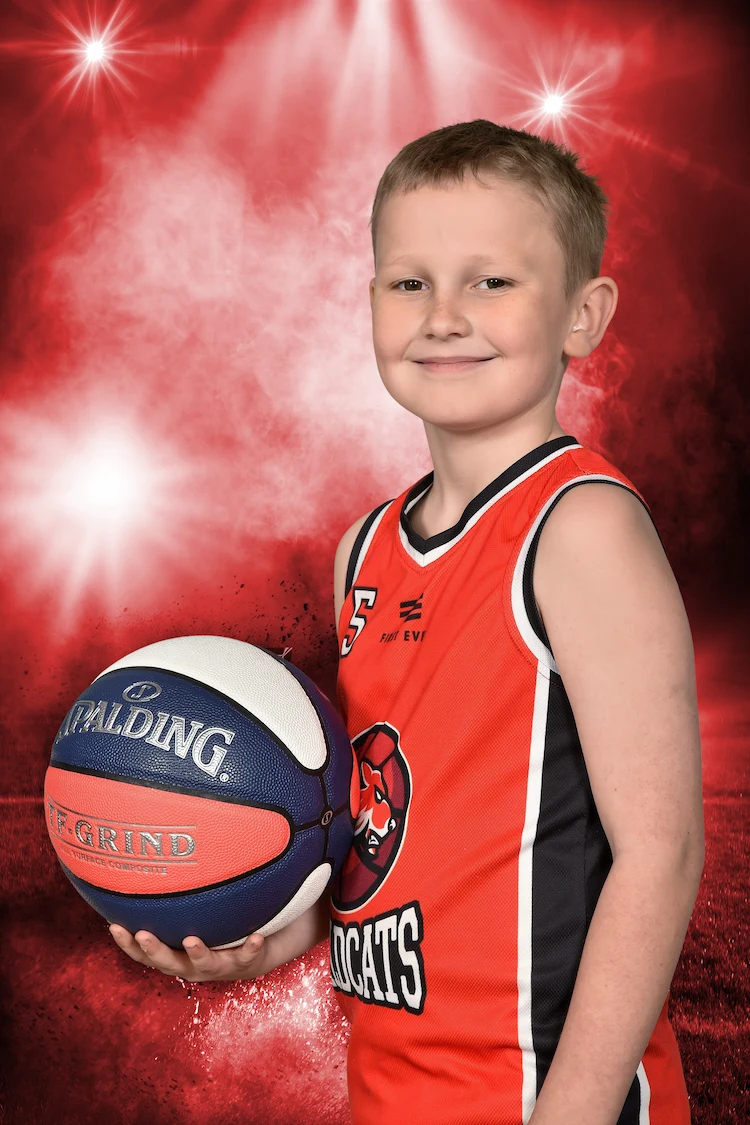
Composition and storytelling beyond the action A great sports photograph tells more than the play. Context, emotion, and place make images shareable and valuable commercially. Seeing beyond action means arriving early and staying late.
Arrive early to capture warm-ups, coaches barking instructions, and rituals. Those moments are quiet gold. After the final whistle, photograph interactions: embraces, disappointment, fans in the background, and the small rituals that ground a story in Melbourne culture. Remember to vary framing. Combine tight headshots of concentration with expansive views that show the crowd or urban landscape. That dual approach is a hallmark of Melbourne sports photography and makes galleries feel complete.
Speedy post-processing that keeps clients happy Delivery times decide repeat business. I learned to split my workflow into immediate proofing and deeper edits. Quick turnaround proofs can be live within two hours for local clubs; final edited galleries follow within 48 to 72 hours, depending on volume.
My two-stage post-processing does these things.
- immediate proof set: cull using fast-rated flags, basic exposure adjustments, white balance, and light cropping; export a web-sized gallery for client preview within a couple of hours
- final edit: full-resolution RAW edits, selective retouching, batch color grading to maintain consistency across a game, and keywording for archive and licensing
Culling is where most photographers waste time. Limit yourself to three states: reject, keep, and publish. Use star ratings to move keepers into a folder, then apply batch lens corrections and geometry corrections. When working with Pure Sport Images or similar outlets, maintain a naming convention that includes date, team names, and sequence number to avoid duplicate work later.
File management and backup discipline that prevents disasters Nothing undermines a photographer’s reputation faster than lost files. A robust backup strategy needs to be automatic and redundant.
Write this into your routine: offload cards to a portable SSD at the first opportunity, verify checksums if possible, and maintain at least two copies before deleting any card files. Cloud backups are essential if you will be delivering remotely; a 1 TB portable SSD plus a cloud sync works well for most single-day shoots. At multi-day tournaments, rotate backups daily and bring two formatted spare cards per camera.
Permissions, model releases, and licensing in Melbourne Commercial use rules and club policies vary. For community clubs and parents, verbal consent can suffice for simple social media images, but any commercial licensing requires written agreement. When working with Pure Sport Images clients or media outlets, have a clear contract that states usage rights, turnarounds, and fees. In my experience, a client clarification call before sending final files saves weeks of back-and-forth over what "editorial use" meant.
Building relationships that expand your access Repeat clients come from consistent output, clear communication, and occasional generosity. After a cold winter community match, I spent an hour delivering twenty quick mobile proofs to a junior club and offered a small discount for their season album. That goodwill turned into two paid assignments and referrals.
Be explicit about expectations when you book: the position you need, whether you require match-day passes, and if you will sell prints. Network with ground staff, coaches, and local journalists. Those relationships can move you from the sidelines to the pitch-side or press box, where the best images live.
Special cases: indoor sports, school carnivals, and big stadiums Each environment changes trade-offs.
Indoor sports: fluorescent lighting and close quarters force compromises. Increase ISO earlier, prefer faster https://australianbusinesses.com.au/company/pure-sport-images/ primes for tight spaces, and mind white balance shifts. Monopods help mobility. Focus tracking gets stressed when athletes cross close foreground obstacles.
School carnivals: volume beats perfection. Run a streamlined kit, take standardized portraits for each athlete group, and offer on-site printing if possible. Parents appreciate prompt, affordable options, and catering to that demand builds steady work.
Large stadiums: distance and restricted movement matter. Long telephotos and game knowledge help you predict plays. When covering an AFL match in Melbourne, pick vantage points backed up with contact numbers for stadium media relations. A misstep there can mean being moved to an obstructed seat.
Pricing, packages, and negotiating with clubs Pricing is as much about value as cost. Local clubs rarely pay pro rates but often need season-long coverage. Offer a pricing ladder: basic match-day proofing at a low flat rate, season packages that lock in dates and rate discounts, and add-ons like prints or yearbooks.
If a club asks for full commercial licensing for a low fee, explain the difference between usage for social media and commercial resale. A practical strategy: include social media rights with all packages and reserve commercial licensing for separate fees. That transparency reduces friction and increases future licensing opportunities.
Anecdote on a tight deadline Once I was asked to cover a suburban cup final and supply images for the club's sponsor dinner two hours after the match. I had two bodies, shot tethered to a laptop for instant proofing, and used a fast export preset to generate a 72-dpi slideshow. The sponsor used those images in a printed booklet. The client’s gratitude was immediate, and they retained me for the next season. Tethering is not always practical, but when deadlines are strict it pays to setup a short pipeline.
Building a personal brand in Melbourne’s crowded field Consistent style and reliability build your brand. Pick visual elements that make your work identifiable: color palette, a preference for wide environmental portraits, or a signature way of capturing motion. Post regularly on city-focused channels, tag teams, and use local hashtags when appropriate. Mention of Pure Sport Images on your profile should match any collaborative branding agreements you have.
Ethical considerations and working with minors When photographing minors, get written parental consent for commercial use. Avoid publishing images of athletes in distress or compromising positions without explicit consent. When selling images to parents, be transparent about retouching and cropping, and provide clear refund policies for misprints.
Final practical checklist before every shoot
- pack two camera bodies, at least two lenses, monopod, two formatted cards per body, and spare batteries
- confirm access, parking, and any credentials with the venue
- set client expectations for turnaround and delivery format
- scout positions and understand the light path for the match time
- establish a backup and offload plan for images immediately after the game
Closing note on ambition and craft Sports photography in Melbourne rewards those who combine craft with discipline. It is a profession of quick decisions and long accumulation of small practices that prevent chaos. Whether you are chasing work with Pure Sport Images, shooting for local clubs, or freelancing across suburban grounds, a clear workflow turns pressure into poise. Master the basics above, iterate on what fails, and the sidelines will feel less intimidating and the spotlight more often yours.
Pure Sport Images
23 Grandview Ave, Mulgrave VIC 3170, Australia
+61 413 157 614
[email protected]
Website: https://puresportimages.com.au/